

Happy Tails: Everything You Should Know About Stress-Free Moving with Pets
Reading Time: 10 minutesTable of Contents
Moving can be a stressful experience for everyone involved, including our beloved pets. Ensuring your furry friends are comfortable and happy during the move requires careful planning and consideration. Whether you’re moving within Pasadena, TX, or relocating to this vibrant city, this guide will provide you with pet-friendly moving tips, strategies to minimize stress for animals, and insights into pet-friendly neighborhoods in Pasadena.
Preparing Your Pets for the Move
Moving is a significant change for everyone, but it can be particularly unsettling for pets who don’t understand what’s happening. Taking steps to prepare your pet for the move can help ease their anxiety and make the transition smoother.
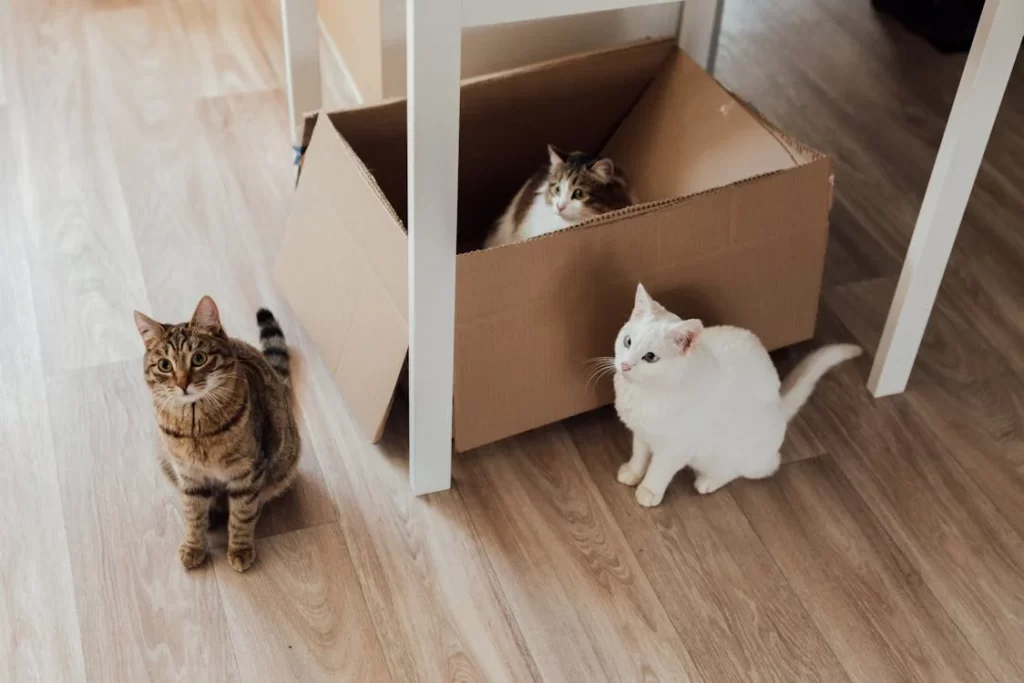
Get Your Pet Accustomed to Moving Supplies
A few weeks before the move, start introducing your pet to moving supplies such as boxes, bubble wrap, and packing tape. Allow your pets to sniff around and get used to these new items in their environment. This helps reduce anxiety as the moving day approaches. The sight of these objects becoming part of the household routine can desensitize your pet to the stress of moving.
- Use Positive Reinforcement: Reward your pet with treats and praise when they show interest in or curiosity about the moving supplies. This positive reinforcement can create a more favorable association with these objects.
- Create a Fun Environment: Turn the presence of moving supplies into a playful experience. For example, allow your cat to explore empty boxes or let your dog play with an old roll of packing tape. Making the process enjoyable can alleviate some of the stress.
Maintain a Routine
Pets thrive on routine. As the move approaches, try to keep their feeding, walking, and playtime schedules as consistent as possible. This stability helps reduce their stress levels. A sudden change in routine can be unsettling, so maintaining consistency will provide your pet with a sense of normalcy.
- Stick to Meal Times: Ensure that meal times remain the same, even on moving day. This can help keep your pet’s digestive system in check and minimize stress-related issues.
- Regular Exercise: Keep up with regular exercise routines, such as daily walks for dogs or play sessions for cats. Exercise is a great way to reduce anxiety and keep your pet calm.
- Quality Time: Spend quality time with your pet each day. This can help reassure them that, despite the changes happening around them, they are still loved and cared for.
Visit the Vet
Schedule a vet appointment a few weeks before your move to ensure your pet is healthy and up to date on vaccinations. Discuss any concerns you have about the move with your veterinarian, and ask for a copy of your pet’s medical records. If you’re moving far, request recommendations for a new veterinarian in your new area.
- Health Check: A thorough health check can identify any potential issues that might need attention before the move. This is especially important for older pets or those with existing health conditions.
- Travel Advice: Ask your vet for advice on traveling with your pet, especially if you’re flying or embarking on a long car journey. They can provide tips on managing travel anxiety and recommend sedatives if necessary.
Update Pet Identification
Ensure your pet’s identification tags are current with your new address and contact information. If your pet is microchipped, update the information with the microchip company. Proper identification is crucial in case your pet gets lost during the move.
- Collar and Tags: Make sure your pet wears a collar with updated ID tags at all times. Include your name, phone number, and new address.
- Microchip Information: Contact the microchip company to update your information. This is a quick and easy process that provides an added layer of security.
Pack a Pet Essentials Bag
Pack a separate bag with all the essentials your pet will need during the move, including food, water, bowls, a leash, toys, a bed, and any medications. Having these items easily accessible will make the moving day smoother for both you and your pet.
- Food and Water: Pack enough food and water for the entire journey, plus a little extra in case of delays. Bring portable bowls for convenience.
- Comfort Items: Include your pet’s favorite toys, blankets, or bed to provide comfort and familiarity during the move.
- Medications: Don’t forget any necessary medications, along with a copy of the prescription in case you need a refill.
Pet-Proofing Your New Home
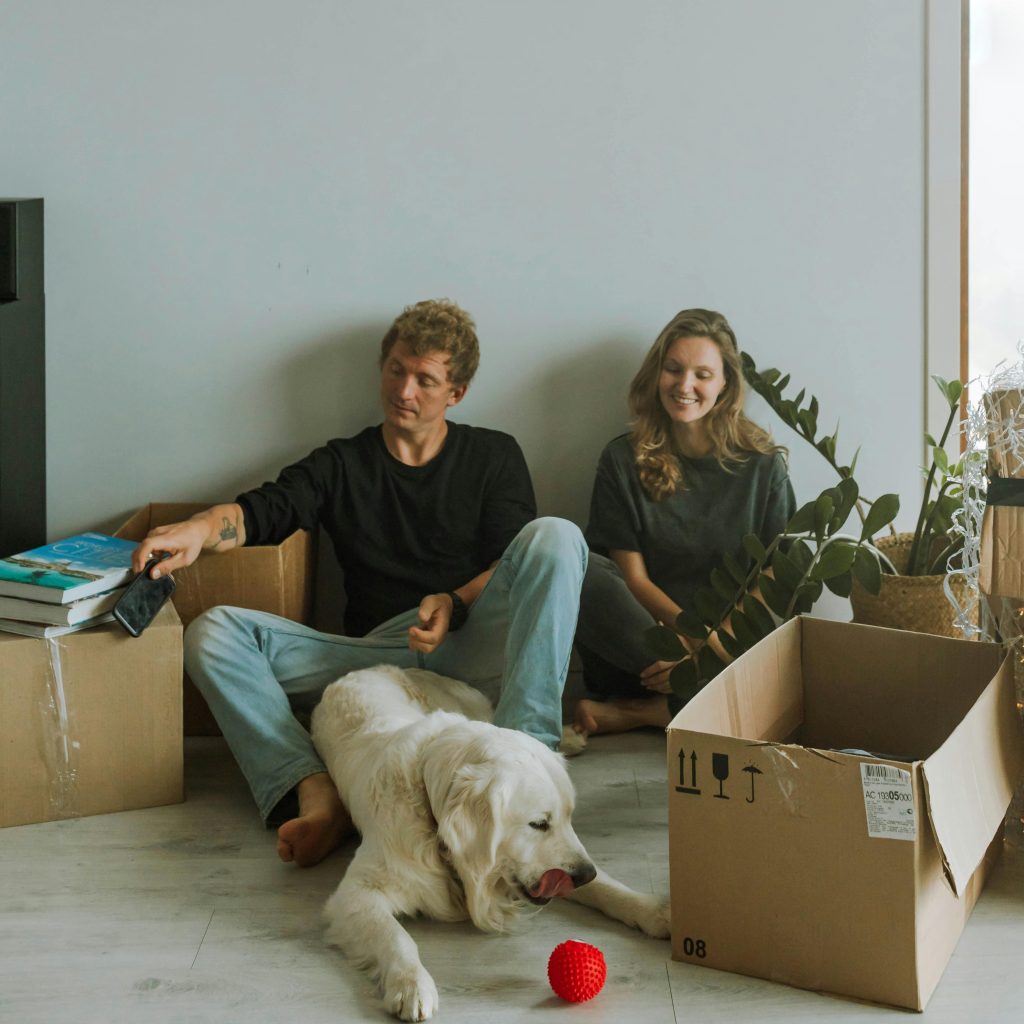
Once you arrive at your new home, the first thing you should do is pet-proof the environment. This step is essential to ensure your pet’s safety and comfort in their new surroundings.
Inspect the New Home
Before bringing your pet into the new home, inspect the area for any hazards. Check for exposed wires, toxic plants, small objects, or spaces where your pet could get stuck. Pet-proofing your new home will prevent accidents and injuries.
- Check for Hazards: Look for sharp objects, open windows, and small spaces where your pet could get trapped. Remove any toxic plants or substances.
- Secure Loose Wires: Tape down or cover any exposed wires to prevent chewing. This is especially important for puppies and kittens.
- Remove Small Objects: Clear away any small items that could be swallowed or cause choking.
Create a Safe Space
Set up a designated safe space for your pet in the new home. This could be a quiet room with their bed, toys, and water. Having a familiar and secure place will help your pet adjust more quickly.
- Comfort Items: Include familiar items such as their bed, blankets, and favorite toys to create a sense of security.
- Calm Environment: Choose a quiet area away from the hustle and bustle of unpacking. This can help reduce stress and provide a retreat for your pet.
Use Pet Gates and Barriers
If necessary, use pet gates and barriers to restrict access to certain areas of the new home until your pet becomes familiar with the surroundings. This is particularly useful for young pets or those prone to exploring.
- Gradual Introduction: Allow your pet to explore the new home gradually, starting with one room and slowly expanding their access. This helps prevent overwhelming them.
- Supervised Exploration: Supervise your pet during the initial exploration to ensure their safety and address any potential hazards.
Gradually Introduce Your Pet to the New Home
Allow your pet to explore the new home gradually. Start with one room and slowly introduce them to the rest of the house. This step-by-step approach will help them feel more comfortable and secure.
- Familiarize with Scents: Bring familiar items from the old home, such as bedding or toys, to help your pet recognize their new space.
- Positive Reinforcement: Reward your pet with treats and praise for calm behavior and successful exploration.
Minimizing Stress for Animals
Moving can be particularly stressful for pets, but there are several strategies you can employ to help minimize their anxiety and ensure a smooth transition.
Keep Pets Away from the Moving Chaos
During the packing and moving process, keep your pets in a quiet and safe area away from the chaos. This could be a friend’s house, a pet daycare, or a secure room in your current home.
- Safe Haven: Designate a room or area where your pet can stay undisturbed during the moving process. Include familiar items to provide comfort.
- Avoid Loud Noises: Try to keep your pet away from loud noises, such as packing tape or moving trucks, which can increase their anxiety.
Maintain Calm Behavior
Pets can sense their owner’s stress. Try to remain calm and composed throughout the move to help your pet feel more at ease. Use a soothing voice and provide extra attention and reassurance.
- Calm Demeanor: Your calm behavior can have a calming effect on your pet. Avoid displaying stress or frustration around them.
- Extra Attention: Spend extra time cuddling, playing, or simply being with your pet to provide reassurance.
Use Comfort Items
Provide your pet with comfort items such as their favorite blanket, toy, or bed. These familiar items can help reduce anxiety and make the new environment feel more like home.
- Favorite Toys: Bring along your pet’s favorite toys to keep them occupied and provide a sense of normalcy.
- Comfort Blankets: Use blankets or bedding with familiar scents to create a comforting environment.
Consider Pheromone Sprays
Pheromone sprays, available at most pet stores, can help calm anxious pets. These sprays mimic the natural pheromones that animals produce, promoting a sense of security and relaxation.
- Pheromone Diffusers: Use diffusers in your new home to create a calming atmosphere for your pet.
- Sprays and Collars: Consider using sprays or collars that release calming pheromones during the move.
Gradual Acclimation
If possible, take your pet to the new home a few times before the actual move. Let them explore and get used to the new scents and surroundings. This gradual acclimation can make the transition smoother.
- Short Visits: Arrange short visits to the new home to familiarize your pet with the new environment.
- Positive Experiences: Ensure these visits are positive by providing treats and affection.
Pet-Friendly Pasadena Neighborhoods and Parks
Pasadena, TX, offers a variety of pet-friendly neighborhoods and parks, making it an ideal place for pet owners. Here are some of the best places to explore with your furry friends.
Discover Pet-Friendly Neighborhoods
Pasadena has several neighborhoods that are particularly welcoming to pets. These areas offer plenty of green spaces, pet-friendly amenities, and a community that loves animals.
Deer Park
Deer Park is a great area for pet owners, featuring numerous parks and green spaces. The community is welcoming to pets, and you’ll find many dog-friendly amenities.
- Community Vibe: Deer Park has a strong sense of community, with many residents being pet owners who are friendly and welcoming.
- Parks and Trails: The neighborhood boasts several parks and walking trails, perfect for daily exercise and socialization.
Fairmont Heights
Fairmont Heights offers a suburban feel with plenty of walking trails and parks. It’s an ideal location for pet owners who enjoy outdoor activities with their pets.
- Outdoor Activities: The area is known for its outdoor recreational opportunities, including pet-friendly trails and open spaces.
- Pet Services: Fairmont Heights has numerous pet services, such as grooming salons and veterinary clinics, making it convenient for pet care.
Pasadena Gardens
Pasadena Gardens is known for its spacious homes and pet-friendly environment. The neighborhood has several pet parks and is close to local veterinary services.
- Spacious Living: Homes in Pasadena Gardens often feature large yards, providing ample space for pets to roam and play.
- Pet Parks: The neighborhood includes several pet parks where pets can socialize and exercise off-leash.
Explore Pet-Friendly Parks
Pasadena has several parks where pets are welcome. These parks provide ample space for exercise and socialization, ensuring your pet stays healthy and happy.
Memorial Park
Memorial Park is a popular spot for pet owners, featuring large open spaces, walking trails, and designated off-leash areas for dogs to run freely.
- Off-Leash Areas: The park has designated off-leash areas where dogs can run and play freely.
- Walking Trails: Enjoy scenic walks along the park’s trails, perfect for a leisurely stroll with your pet.
Burke Crenshaw Park
Burke Crenshaw Park offers a pet-friendly environment with beautiful walking trails and picnic areas. It’s a great place for a relaxing day out with your pet.
- Picnic Areas: The park features picnic areas where you can enjoy a meal with your pet by your side.
- Nature Trails: Explore the park’s nature trails, providing a tranquil setting for walks and outdoor activities.
Strawberry Park
Strawberry Park has extensive green spaces and a dog-friendly atmosphere. The park also hosts pet-related events, making it a fun destination for pet owners.
- Green Spaces: The park’s large green spaces are perfect for running, playing, and enjoying the outdoors with your pet.
- Pet Events: Strawberry Park frequently hosts events like pet fairs and adoption days, fostering a strong pet-friendly community.
Transporting and Settling In with Pets
Transporting your pet to your new home and helping them settle in requires careful planning and consideration. Here are some tips to make the process as smooth as possible.
Choose the Right Mode of Transportation
Depending on the distance of your move, decide whether it’s best to transport your pet by car or plane. For short distances, car travel is usually the most comfortable option. For long distances, consult your vet about the safest travel method.
- Car Travel: For shorter moves, traveling by car is often less stressful for pets. It allows for more control over the environment and the ability to take breaks.
- Air Travel: If flying is necessary, choose a pet-friendly airline and ensure you meet all requirements. Some airlines allow pets in the cabin, while others require them to travel in the cargo hold.
Car Travel Tips
- Secure Your Pet: Use a pet carrier or crate to secure your pet in the car. This ensures their safety and prevents distractions while driving.
- Take Breaks: Schedule regular breaks during the trip to allow your pet to stretch, hydrate, and relieve themselves.
- Avoid Feeding Right Before Travel: Feed your pet a few hours before the journey to avoid motion sickness.
- Comfortable Carrier: Ensure the carrier is well-ventilated and large enough for your pet to stand, turn around, and lie down comfortably.
- Cool Temperature: Keep the car cool and well-ventilated. Avoid leaving your pet in the car unattended, especially in hot weather.
Air Travel Tips
- Check Airline Policies: Different airlines have varying policies for pet travel. Ensure you understand the requirements and make reservations well in advance.
- Health Certificate: Most airlines require a health certificate from your vet, issued within a specific timeframe before the flight.
- Comfortable Carrier: Use an airline-approved pet carrier that’s comfortable and well-ventilated.
- Pre-Flight Preparation: Familiarize your pet with the carrier before the flight. Allow them to spend time in it at home to reduce anxiety.
- Arrival and Pickup: Plan to arrive at the airport early to allow time for check-in and security procedures. Be prepared to pick up your pet promptly upon arrival.
Settling In with Your Pet
- Keep a Routine: Try to maintain your pet’s regular routine as much as possible in the new home. This helps provide a sense of stability during the transition.
- Gradual Introduction: Slowly introduce your pet to different areas of the new home. Start with one room and gradually expand their access.
- Monitor Behavior: Keep an eye on your pet’s behavior for any signs of stress or discomfort. Provide extra love and attention to help them adjust.
- Explore the Neighborhood: Take your pet for walks around the new neighborhood to familiarize them with the new surroundings. This can help them feel more comfortable and settled.
- Meet New Friends: Introduce your pet to new neighbors and their pets. Socialization can help ease the transition and provide opportunities for play and companionship.

Conclusion
Moving with pets requires extra planning and care, but with the right strategies, you can make the transition smooth and stress-free for your furry friends. Pasadena, TX, offers numerous pet-friendly neighborhoods and parks, making it a great place to call home for both you and your pets. By following these tips and guidelines, you’ll ensure your pets remain happy and comfortable during the moving process.
Happy Pets, Happy Move – Contact Pasadena Movers for a Seamless Transition
If you’re planning a move with your pets to Pasadena, TX, Pasadena Movers is here to help. Our team of professional movers understands the unique challenges of relocating with pets and is committed to ensuring a smooth and stress-free move for your entire family. Contact us today for a free quote and let us take the hassle out of your pet-friendly move.
